
Vector Control
Report a possible mosquito breeding habitat or annoyance problem
To report a possible mosquito breeding habitat or annoyance problem, please call Environmental Health at (442) 265-1888.
Report a honey bee swarm or nest
To report a honey bee swarm or nest, contact the BEE HOTLINE: (760) 336-2252
Vector Control
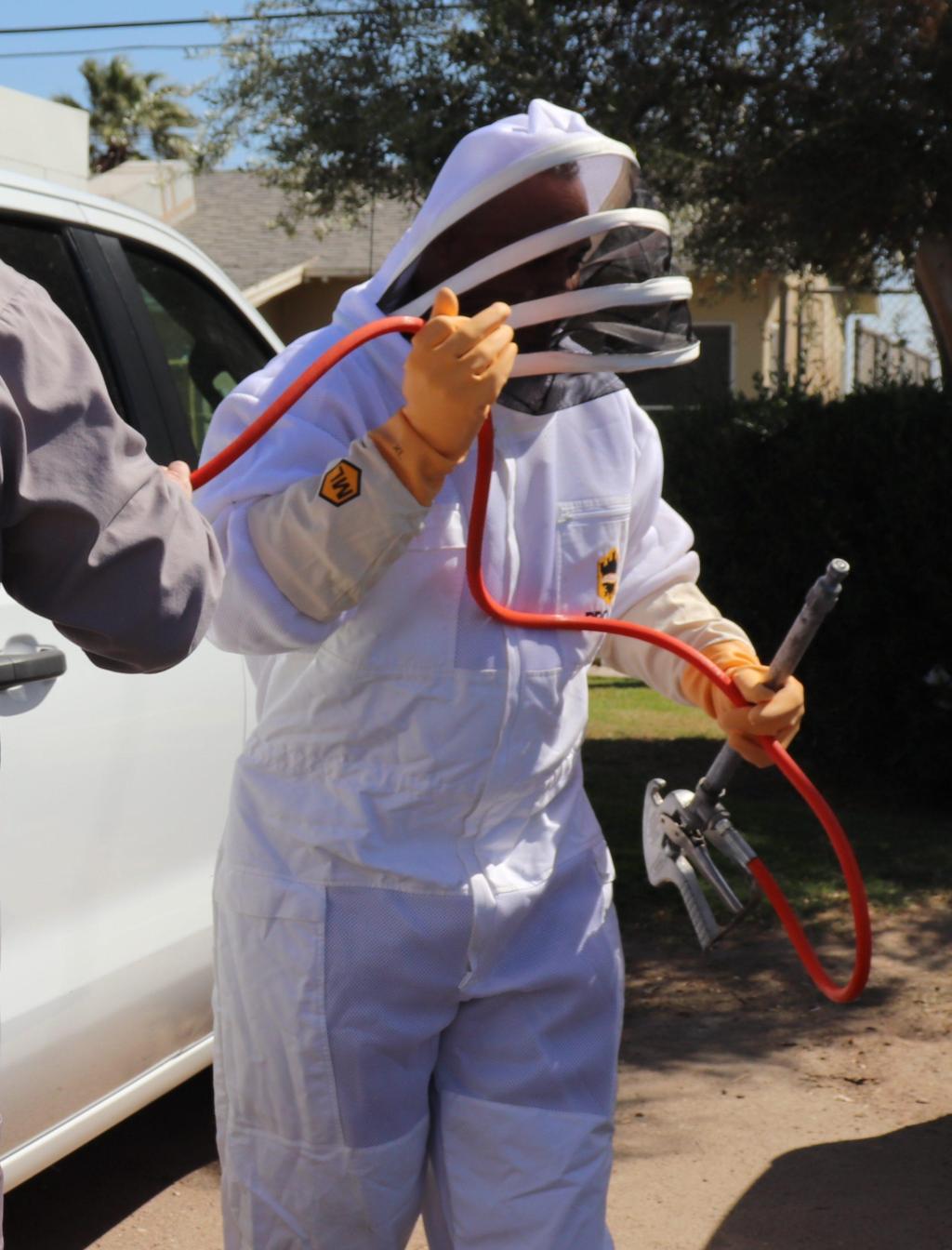
The Imperial County Vector Control Program protects public health by monitoring, preventing, and reducing mosquito-borne diseases. The program also responds to bee-related concerns, investigates honey bee swarm reports, and provides guidance on insects that pose health risks.
Key activities include:
- Trapping mosquitoes to identify species and detect disease such as West Nile Virus, St. Louis Encephalitis, Western Equine Encephalitis, and more.
- Locating and assessing new mosquito-breeding sites.
- Inspecting and treating known breeding areas.
- Removing honey bee swarms found in unsafe areas. (Note: established hives must be handled by licensed pest control professionals)
- Offering community outreach on preventing mosquito breeding, avoiding mosquito-borne illness, and other vector-related health topics.
Mosquito Control Activities
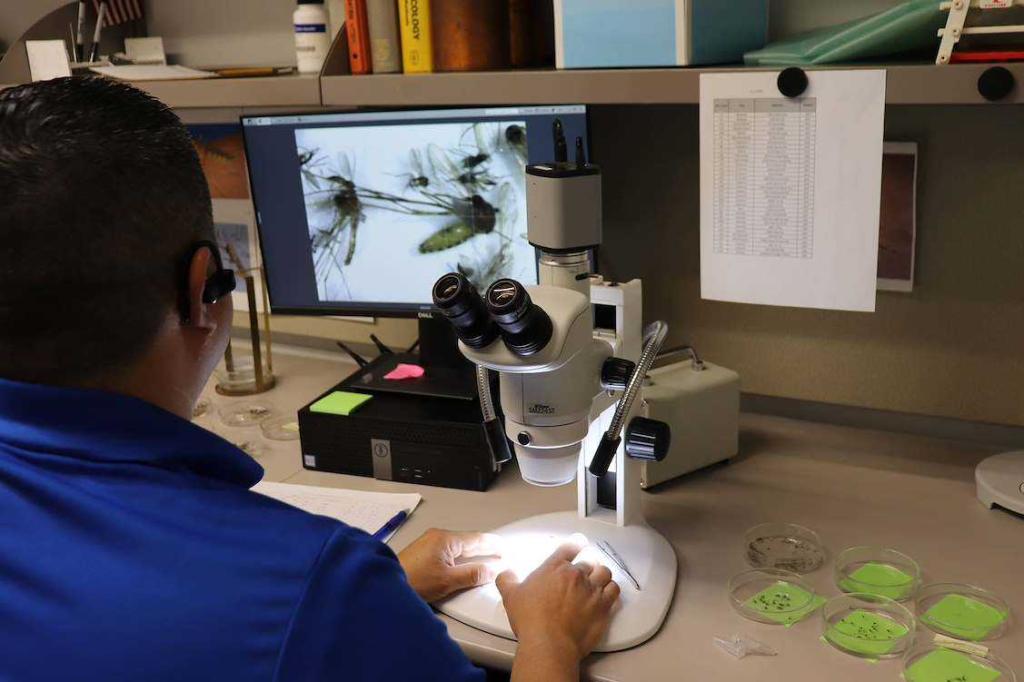
Vector Control conducts surveillance activities throughout Imperial County to monitor mosquito populations and determine when inspections and mosquito control treatments are needed.
Activities include:
- Conducting mosquito surveillance throughout Imperial County.
- Using specialized traps such as CO₂ traps, baited EVS traps, Gravid traps, and BP-Sentinel traps to monitor mosquito populations and collect mosquitoes for species identification and disease surveillance.
- Inspecting potential mosquito breeding sites and environmental conditions that support mosquito activity.
- Performing targeted mosquito control treatments based on surveillance findings.
- Investigating resident reports of mosquito activity and determining whether additional surveillance or mosquito control measures are needed.
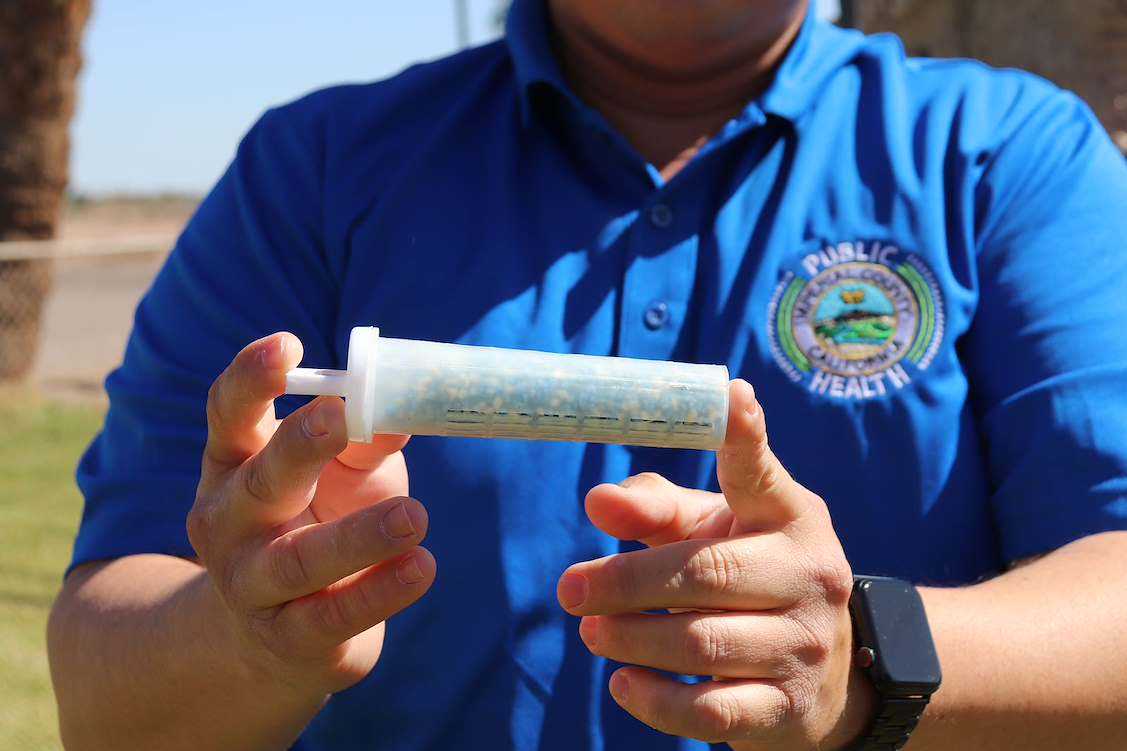
Lure for BG Mosquito Trap
Mosquito Attractant
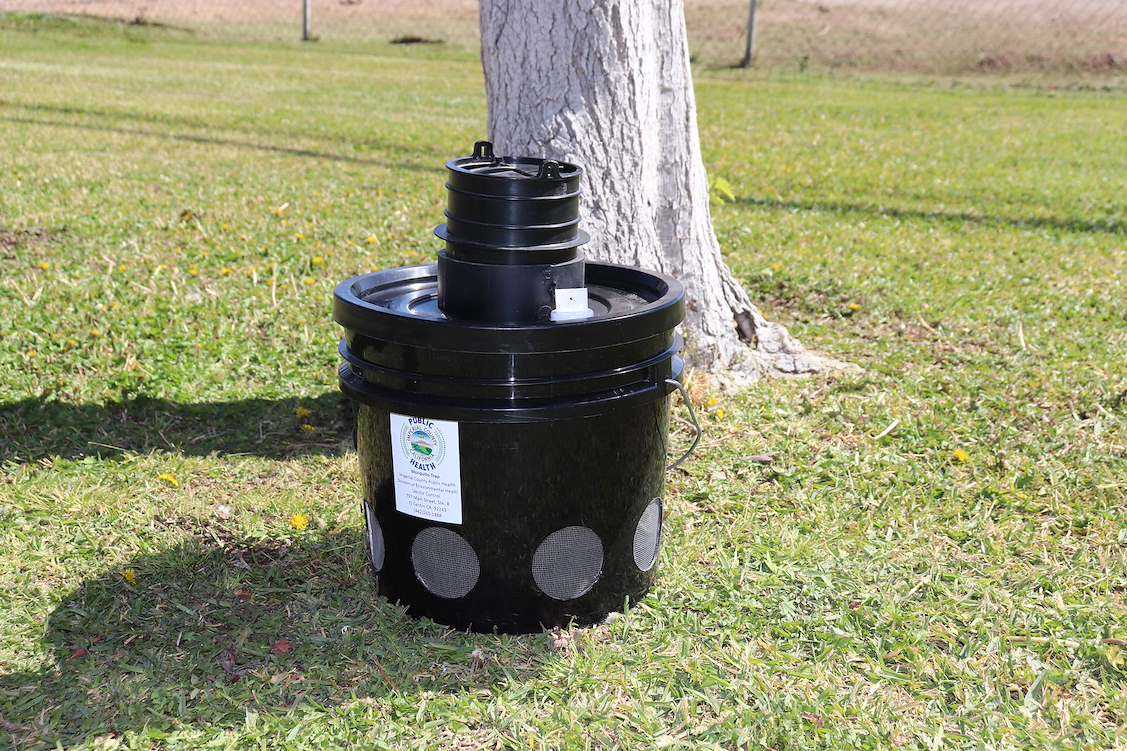
BG-Sentinel Mosquito Trap
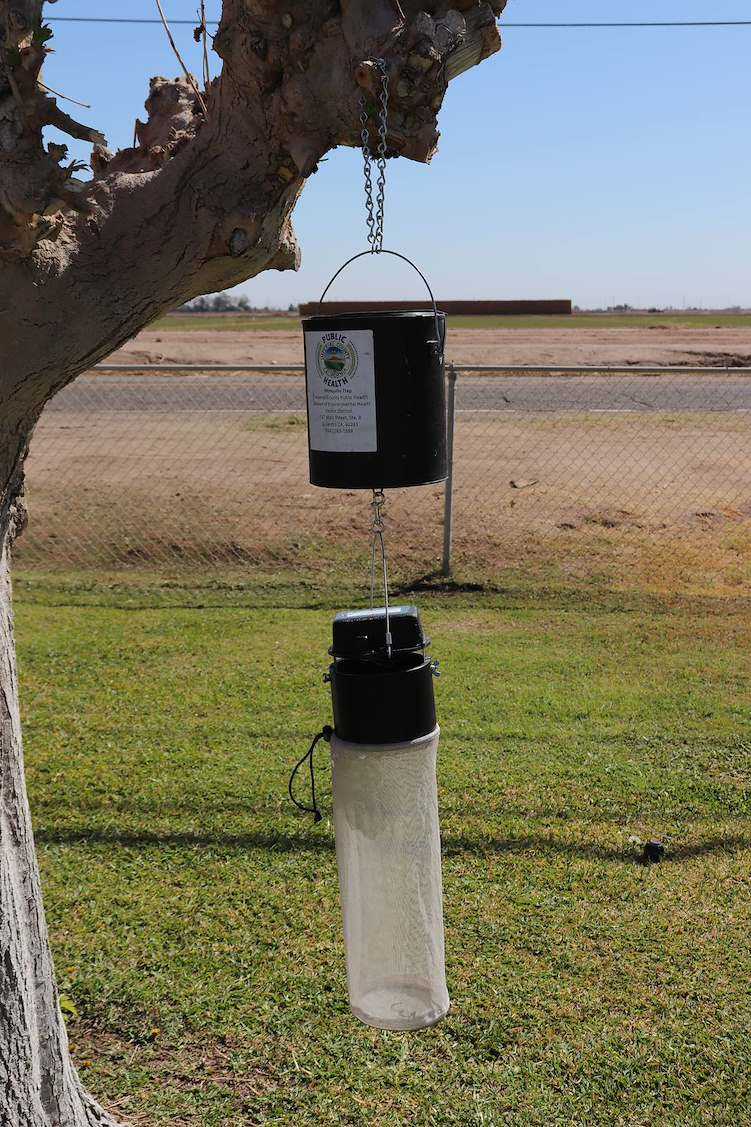
EVS Mosquito Trap
Dry Ice Trap
Vector-borne diseases from Mosquitoes
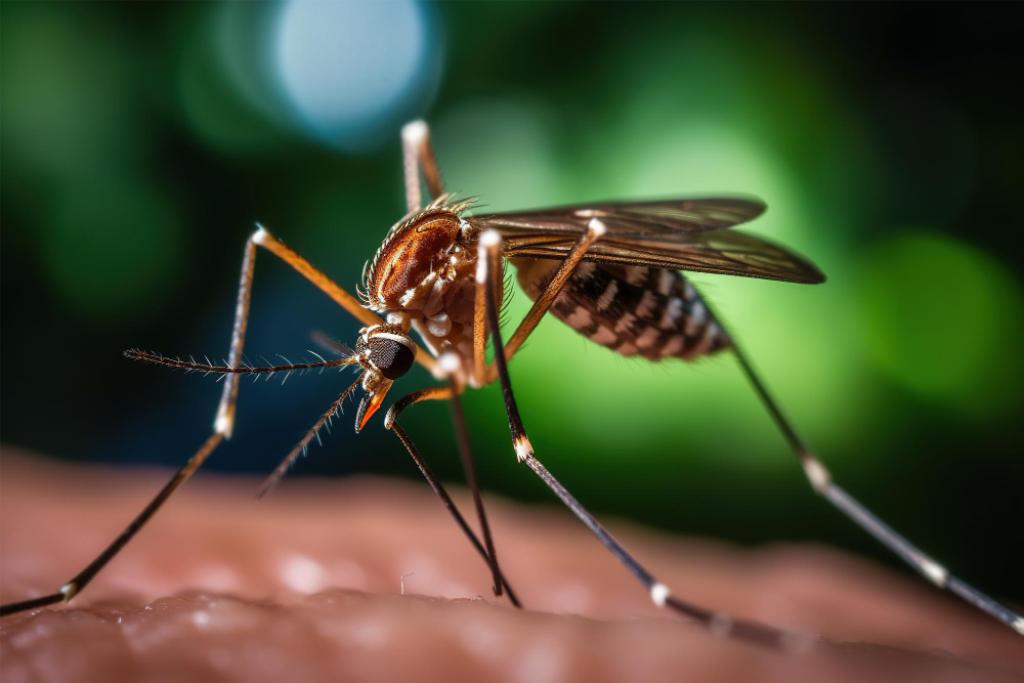
The vast majority of vector-borne diseases are found in tropical areas of the world. Malaria, Dengue Fever, Yellow Fever, Onchocerciasis, and Filariasis cause human suffering and death throughout the world.
Although Imperial County has a more temperate climate, vector-borne diseases exist that can cause serious health problems. These diseases include St. Louis and Western equine Encephalitis, Dangue, Zika, Chikungunya, and West Nile Virus. Monitoring and reacting to the presence of these diseases is vital to the protection of the health and well-being of our community.
The Imperial County Vector Control Program has been active in surveillance and control activities since 1992. The Department provides service to the unincorporated areas of Imperial County and the cities of El Centro, Brawley, Calexico, Holtville, Imperial, Calipatria, and Westmorland. The program responds to service calls involving bees and mosquitoes. Informational pamphlets are also available for other types of pests that may pose public health concerns.
Mosquito Prevention Outside and At Home
Mosquito Prevention
The best way to prevent mosquito-borne diseases is to protect yourself from mosquito bites. When spending time outdoors, use an EPA-registered insect repellent.
Empty standing water from buckets, flowerpots, toys, and other containers at least once a week.
Properly maintain swimming pools, spas, and ornamental ponds.
Repair leaking faucets and leaks that may create standing water.
Make sure window and door screens fit securely and are free of tears.
Residents experiencing excessive mosquito activity are encouraged to contact the Imperial County Public Health Department's Vector Control Program. Staff will investigate reports to determine whether additional surveillance or mosquito control measures are needed. To report a potential mosquito breeding site or mosquito nuisance, please contact Environmental Health at (442) 265-1888.